
Why Everything You Think You Know About Ingrown Toenails Is Probably Wrong

Why Everything You Think You Know About Ingrown Toenails Is Probably Wrong

A conversation with a podiatrist who has seen it all

Ingrown toenails are not glamorous. They do not trend well on Instagram unless they are extreme, infected, and frankly horrifying. And yet, according to one podiatrist with three decades of experience, they are also among the most misunderstood foot problems in modern health care.

I sat down with Dr Brenden Brown, an AHPRA-registered podiatrist with 30 years of experience and former President of the NSW Podiatry Council, to talk about the myths that keep patients in pain far longer than they need to be.

“Ingrown toenails sit in this strange space,” he says. “They’re common, they’re painful, but they’re also surrounded by old wives’ tales, internet nonsense, and a lot of unnecessary fear.”

The V-cut myth, and why his dad still believes it

If you have ever mentioned an ingrown toenail at a barbecue, someone has likely offered this advice: cut a V into the middle of the nail, and it will magically pull the sides away from the skin.

Brown laughs when I bring it up.

“I still argue about this with my dad,” he says. “To this day, he is convinced that cutting a V in the middle of the toenail makes it grow inwards and lift away from the sides. I keep telling him, either you’re wrong, or Dad, you wasted all that money helping me through Uni, and thirty years later, I still don’t know what I’m talking about.”

The problem, he explains, is a basic misunderstanding of how nails grow.

“Toenails only ever grow from the base. They do not grow from the sides, and they certainly do not respond to clever shapes cut into the tip,” he says. “What happens with the V-cut is a bit of an optical illusion. As the nail grows forward, you keep trimming the top, so it looks like the V is closing in. In reality, you’re just cutting the end off again and again. The sides are doing exactly what they were doing before.”

At best, he says, a V-cut might reduce pressure very slightly.

“But it’s not because the nail is growing away from the skin. Biologically, that just isn’t how nails work.”

Social media has made everyone think surgery is inevitable

Another misconception Brown sees daily is the belief that an ingrown toenail automatically leads to surgery.

He blames the algorithm.

“People don’t Google anymore, they go straight to YouTube or Instagram,” he says. “And those platforms are designed to show you the most extreme, feral-looking ingrown toenails imaginable. They get shared, they get watched longer, and they completely skew people’s expectations.”

The result is that patients often arrive anxious, embarrassed, and convinced they are about to lose a nail.

“The reality is that the vast majority of ingrown toenails never get anywhere near that stage,” Brown says. “Most people will never need surgery. And they certainly won’t need their whole nail removed.”

Conservative management before surgery is consistent with accepted podiatric clinical guidelines.

In reality, when surgery is needed for ingrown toenails, it is usually because the problem has been recurrent, severe, or left untreated for too long.

In fact, in thirty years of practice, he can count the number of total nail removals he has performed on one hand.

“I’ve probably removed four entire nails in my career. That’s it,” he says. “That statistic alone usually stops people in their tracks.”

Surprisingly, while Dr Brown might familiarise himself regularly with evidenced-based articles around ingrown toenails, the average person on the street isn’t trolling the pages of professional publications published by The Australian Podiatry Association and alike.

Why antibiotics and creams keep failing

One of the more frustrating myths, according to Brown, is the belief that antibiotics or topical creams will fix the problem on their own.

“An ingrown toenail behaves like a splinter,” he explains. “You’ve essentially got a piece of nail acting as a foreign body embedded in the skin. The body reacts exactly as you would expect. Redness, swelling, heat, and sometimes pus. That doesn’t automatically mean infection is the primary problem.”

This is where well-meaning treatment can go astray.

“What often happens is that someone is prescribed antibiotics, sometimes repeatedly, because the area looks inflamed,” he says. “But antibiotics don’t remove the nail spike. They calm things down temporarily, and then the problem comes straight back.”

Brown is careful not to criticise general practitioners.

“They’re doing their best with the information in front of them,” he says. “But if you don’t remove the foreign body, you haven’t solved the problem. You’ve just delayed it.”

What actually happens at a first podiatry visit

For many patients, the fear of treatment is worse than the condition itself.

“They imagine they’ll need injections, stitches, time off work, someone driving them home,” Brown says. “Most of the time, none of that is true.”

In early or moderate cases, treatment can be remarkably simple.

“Often there’s just a small spike or spicule of nail that’s been left behind, usually from poor cutting technique or enthusiastic DIY attempts,” he explains. “That spike grows straight up into the skin and causes irritation.”

Using a fine instrument, sometimes without any local anaesthetic at all, the offending edge can be removed.

“It can take fifteen minutes,” Brown says. “People are often shocked at how straightforward it is.”
 

Simple Treatment Starts Here


The myth that nail shape is the whole story

While some people do have naturally curved or wide nails, Brown says nail shape is only part of the picture.

“Footwear plays a massive role,” he says. “So does repeated pressure, sweating, softening of the skin, and even how active someone is.”

This is why blanket advice often fails.

“You can’t just say, ‘Your nails are curved, bad luck,’” he says. “You have to look at the whole environment the nail is living in.”

Why early treatment matters, even if it sounds self-serving

Brown is upfront about one piece of advice he gives almost every patient.

“I always say, get it treated sooner rather than later,” he says. “And I know that can sound self-serving coming from a clinician.”

But experience backs it up.

“The earlier we see it, the more conservative the treatment can be. The longer someone waits, the more inflamed the tissue becomes, and the narrower the options get.”

Ironically, fear of treatment is often what leads people to need more intervention.

“People put it off because they’re scared,” he says. “And that’s exactly what pushes things in the wrong direction.”

The quiet message most people need to hear

If there is one takeaway Brown hopes people remember, it is this.

“Ingrown toenails are common, treatable, and rarely dramatic when managed properly,” he says. “Most of the horror stories online are the exception, not the rule.”

And yes, he still hasn’t convinced his dad to stop cutting that V.

“But I’m working on him,” he says, smiling. “Thirty-one years might be the charm.”

This article is general information only. Treatment varies between individuals, so it does not replace assessment and advice from a qualified health professional.


Book an Appointment and Stop the Pain


Other Blogs About Ingrown Toenails


Ingrown Toenails - Need Solutions?

Ingrown Toenails – Need Solutions?

Ingrown toenails can be painful to live with and sometime worse to have treated but that doesn’t need to be the way! Our team has oodles of experience removing painful ingrown toenail and to the delight of patients they are often surprised at how painless the experience is! Ye,s we use Local anaesthetic when requested. […]

IngrownToenail-YOU HAVE AN INGROWN TOENAIL

Ingrown Toenails Do I Need Surgery?

Ingrown toenails Ouchi Mumma these can hurt

Ingrown toenails Ouchi Mumma these can hurt!

Ingrown toenails Ouchi Mumma these can hurt! Most patients think it will be super painful to remove these BUT THIS IS NOT TRUE!! Many patients, of course, head straight to YouTube to look up the grossest and disgusting ingrown toenail videos they can find to further convince themselves that these will be painful to remove. […]

Why You're not Getting Better and what you can do about it

Why you’re not getting better and what you can do about it

Have you ever wondered why you’re not getting better after seeing a therapist, and what you can do about it?  Dr Brenden Brown, the Leading Podiatrist at A Step Ahead Foot and Ankle Care, Penrith, explains that it could be you, not the therapist. It’s Father’s Day. I love my dad, and I’m sitting in […]


5 Tips to Help You Beat Your Heel Pain (2025 Update)

5 Tips to Help You Beat Your Heel Pain (2025 Update)

5 tips to help you beat your heel pain !

5 tips to help you beat your heel pain !

Heel pain can be one of the most frustrating injuries to deal with. It can creep up on you, interrupt your training, stop your morning walks, or make standing at work feel impossible. Whether it is Achilles tendinitis or Achilles tendinosis, or perhaps you have plantar heel pain, sometimes called plantar fasciitis and frequently misdiagnosed as heel spurs, these all stop you from doing what you love!

The good news? Heel pain can be fixed, and often faster than you think. After years of helping thousands of patients across Sydney, we’ve refined what really works. Here are our top five tips that make the biggest difference.

  1. Pain’s a signal, not a stop sign

Back when this blog first came out (yes, around fourteen years ago!), we used to say, “If it hurts, stop.” But today, we know a lot more about how your body recovers.

Pain is information, not punishment. It’s your body’s way of saying, “I’m not coping with this load right now.” That doesn’t mean you have to stop everything. If you normally run 10 kilometres and the pain starts at 8 km, pull up there. If you walk 5 km and your heel pain begins to bite at 4 km, finish early, not forever.

Completely resting can actually make things worse; we’d then need to reload the tendon later, which can restart the pain cycle. The goal is to find your “sweet spot,” enough activity to keep tissues strong without over-irritating them.

“Pain is your body’s information system, not a punishment. We use it as feedback to guide your recovery, not as a reason to panic.”
Dr Brenden Brown, Podiatrist

A little bit of discomfort is okay; crippling pain isn’t. The art (and science) of modern recovery is learning to listen to those messages and pace smartly, not push blindly.

  1. Nothing will change unless YOU change it

Fourteen years ago, we wrote this same tip, and it’s still true today, maybe even more so.
If your heel pain hasn’t improved after weeks (or months) of doing the same thing, it’s time to change something.

Maybe you’ve been following Dr Google’s advice to “stretch your calves” for Achilles pain or “roll a frozen water bottle” for plantar fasciitis. The truth? That’s yesterday’s science. For many types of heel pain, stretching can actually slow healing. What your heel really needs is smarter loading, the right amount of stress at the right time to help the tissue rebuild.

And here’s where the right guidance matters. Not every podiatrist spends their days fixing heel pain. Many focus on good old general foot care, such as helping your nan with her corns, calluses, and nails. There’s nothing wrong with that, and they do it brilliantly. But at A Step Ahead Foot + Ankle Care, our doctors see six to eight heel-pain patients every day. Which means we’ve become Western Sydney’s leading experts on heel pain.  That’s thousands of hours of focused experience, well past the “10,000 hours” rule described by researcher Dr Anders Ericsson and popularised by Malcolm Gladwell in Outliers: The Story of Success.

“If your treatment hasn’t changed in months and your pain still has, it’s time to change your approach.”
Dr Brenden Brown, Podiatrist

If your current plan keeps you stuck, it might not be the right plan. Fresh eyes, updated evidence, and a specialist who truly understands heel pain can make all the difference.


You Don’t Have to Put Up With This


  1. Stick to the plan

This one sounds simple, but it’s often the hardest part. We see it every week: someone comes in frustrated that their heel pain isn’t improving, only to discover they’ve been mixing and matching advice.

Maybe a friend at the gym swore by a new stretch they saw on TikTok. Perhaps you decided the shoes we recommended weren’t really your style. Or maybe you thought skipping a few therapy sessions wouldn’t hurt.

The truth is, the people who get better fastest are the ones who follow the plan. We build your treatment schedule, exercises, and footwear program around thousands of hours of experience treating heel pain. These plans aren’t random. They’re built on evidence, careful assessment, and an understanding of how your body actually heals.

“Our Doctors are all qualified, board-certified Podiatrists; they didn’t just roll out of bed and decide they were heel-pain experts. They spent five years at university and have thousands of clinical hours treating this exact condition.”
Dr Brenden Brown, Podiatrist

5 Tips to Help You Beat Your Heel Pain

5 Tips to Help You Beat Your Heel Pain

Your plan is your map out of pain. Stick to it, communicate with your clinician, and resist the urge to detour through online shortcuts. Consistency is what turns improvement into recovery.

Don’t believe us? Then how about this excellent one-page infographic, produced by the Journal of Orthopaedic and Sports Physical Therapy, that helps patients understand what high-value treatments look like?

  1. Understand what is happening

Understanding your condition is half the battle. Know what it is, what causes it, what aggravates it, and why each part of your treatment exists. When you know the “why,” sticking to the “what” becomes much easier.

If something is unclear, ask. Ask again if you need to. A good clinician welcomes your questions and explains things in plain English. If you get a one-liner like “It’s plantar fasciitis and you need very hard orthotics,” that is not enough information for most people to succeed.

In our clinic, we explain what is going on in your foot, how load is affecting the tissues, which habits are stirring things up, and how each step of the plan helps your body adapt.

If you feel under-informed, speak up. Your recovery works best when you know what is happening and you are part of the decision-making.

If you need a plain-English overview for Achilles heel pain, see this easy-to-understand patient guide.”  We genuinely want our patients to be educated on their condition. This means being up to date with the evidence base. All clinicians should want their patients to be as educated as possible!

  1. Finally, DON’T give up!

Whether you have just started your journey to being pain-free or you have tried multiple options from different practitioners with no success, very seriously, do not give up. We are often people’s third or fourth opinion for their plantar fasciitis heel pain. Some patients have seen physiotherapists, specialists, GPs, and other podiatrists. If you have not had success yet, please don’t give up; you are not alone. We have helped literally 1000’s of patients just like you!

“I have the privilege of watching patients report less pain each week until it is gone. Just like people, every foot is different, and the causes of heel pain are different. When your case is carefully analysed, correctly diagnosed, and properly treated, wonderful things can happen. Our approach is very specific to you and how your body responds.”
Dr Brenden Brown, Principal Podiatrist

These are our top five because we see these patterns so often. It is unusual to meet someone who isn’t dealing with at least one of them. The good news is that heel pain can be beaten. You don’t have to keep battling it or letting it limit your activity. You can get back to the things you love.

We regularly see patients who travel from all across Sydney and even interstate to visit our clinic. It’s not unusual for us to be the last of a long line of practitioners they’ve seen. Come and join our growing group of pain-free patients; we would love to help you, too.

Our clinic is located in St Mary’s, Western Sydney, just five minutes from the M4 with miles of parking out the front. If you’re ready to get on top of your heel pain, we would love to see you head to Penrith and see our super-friendly team of foot doctors.


Book an Appointment and Stop the Pain


Other Blogs About Heel Pain


I just want to be fit for summer

I just want to be fit for summer

Do you want to get fit but, are getting held up by foot ankle or lower limb pain. Dr Brenden Brown recalls a case study of a patient and how she got back to fitness

Sometimes practitioners get it wrong: Heel pain a treatment gone wrong

Sometimes practitioners get it wrong: Heel pain a treatment gone wrong

What do you do if your child has foot, ankle or lower limb pain + you cant find answers. We explore how common it is to hear kids told there is nothing wrong when in obvious pain – this case study helps with answers

Kids Heel Pain - still not getting better?

Kids Heel Pain – still not getting better?

He’s just not as fast as the other kids, and limps a little after games! I thought it would just go away but it seems to be getting worse Sound familiar? Ashley came to see us after a frustrating 4 weeks of Heel Pain for mum and daughter alike. Stretching and Rest had been prescribed […]

Top 6 reason your heel pain isn't getting better - UPDATED!

Top 6 reason your heel pain isn’t getting better – UPDATED!

Top 6 reasons your heel pain IS NOT getting any better! This article was initially written in 2014 and has helped literally thousands of people. As it was written in 2014 I decided it was time I got back to this and updated with some fresh new information!

Unmasking Fungal Nails: Your Guide to Understanding and Treating Onychomycosis

Unmasking Fungal Nails: Your Guide to Understanding and Treating Onychomycosis

Hello there, reader! Have you ever noticed a discoloured, thickened, or crumbly toenail on your feet and wondered what it could be? Well, it's time we shed some light on a common condition that affects many people - fungal nails, also known as onychomycosis. Don't let the fancy name scare you; we're here to break it down in simple terms.

Fungal nails are caused by, you guessed it, a fungal infection! These pesky infections can occur on both your fingernails and toenails. As A Step Ahead is here to conquer foot ails, we will stick to toenails today. They’re characterised by yellow or brown discolouration, thickening of the nails, and sometimes, but not all times, even a foul odour. Sounds unpleasant, right?

Now, you might be thinking, "I'm clean; I wash between my toes like Mum told me regularly, so I don't have to worry about this, right?" Welllllll, there's more to it than that.

There's a common misconception that poor hygiene is the cause of fungal nails. But here's the truth: fungal infections are highly contagious and can affect anyone. Yes, anyone! You can catch these infections from bathrooms, nail salons, or even through contact with contaminated surfaces even if you followed Mum's sage-like advice.

Another myth we often hear is that home remedies, such as tea tree oil, Vicks VapoRub, or vinegar, can effectively treat fungal nails. It sounds easy and convenient, doesn't it? However, the science behind these claims is limited. Creams, lotions, and paints often fail to penetrate the hard nail surface, making them less effective than we'd like them to be. What a shame; imagine the side hustle Vicks could have developed in summertime.
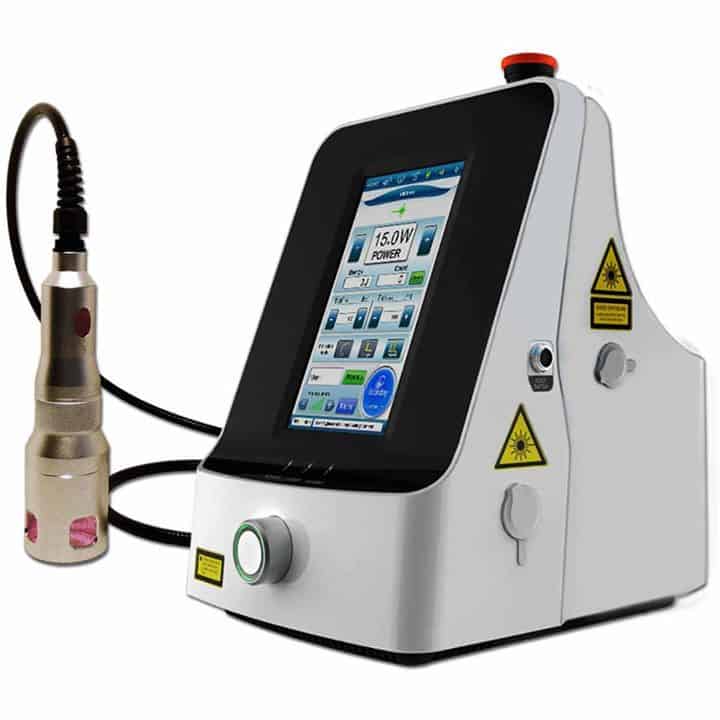
Thermal Laser - Unmasking Fungal Nails: Your Guide to Understanding and Treating Onychomycosis

Thermal Laser - Unmasking Fungal Nails: Your Guide to Understanding and Treating Onychomycosis

So, what does work? Let's introduce you to a reliable and effective solution – thermal medical-grade laser treatment. This modern approach involves passing a beam of laser light over the infected area, heating the inside of the nail and the tissue underneath. The heat effectively kills both the fungus and its spores or eggs. What's more, it's safe, has minimal discomfort, some would say painless and takes approximately 45-60 minutes to treat all ten toenails. Sounds like a win-win situation, doesn't it?

But remember this: early treatment is key to a successful outcome. The longer you delay treatment, the higher the chance of the infection spreading and becoming more difficult to treat. It's crucial to seek treatment from qualified professionals who can provide a comprehensive approach to treating fungal nails.

The work doesn't stop once the fungus is treated. Proper aftercare is SUPER important to prevent reinfection. This includes taking care of the surrounding skin, your shoes, socks, and even the shower. And, when it comes to pedicures at nail salons, make sure to visit reputable nail technicians who follow proper sterilisation procedures. It’s a good idea to ask one of our foot Doctors, all qualified Podiatrists, what that might look like.

To sum it up, fungal nails are an unpleasant but common condition caused by a fungal infection. Despite the myths and misconceptions surrounding it, effective treatment is available in the form of medical-grade thermal laser therapy. Remember, early intervention and proper aftercare are essential to prevent further complications.

So, if you notice any signs of a fungal nail infection, give one of our super helpful team a call on 96732987. They'd LOVE to help. Our team have helped oodles of people just like you. They will chat with you to find out what's going on with your feet. Then, they will be able to suggest the best treatment options available to you. From there, they can help you find a time that suits you best and will make an appointment to see one of our highly qualified foot doctors.

Let's spread awareness, not fungus! Keep you and your nails happy, healthy and happy.

Fungal Nail Calculator

You may also like to try our Fungal Nail Calculator. This is the first Fungal Nail calculator in the world and will help guide you to potential treatment protocols.

Use this guide to help guide you to understand better the level of infection that you may have present and give helpful suggestions as to what the best therapies maybe.

Head to fungalnaildr.com.au

ABOUT DR BRENDEN BROWN

Dr Brenden Brown, Podiatrist & Shendi Brown

Dr Brenden Brown, Podiatrist & Shendi Brown

Founder of A Step Ahead Foot + Ankle Care in Sydney, and former president of the Australasian Podiatry Council, Dr Brenden Brown (A.K.A Dr Foot) is a wealth of knowledge on how to take care of your feet, including how to find the best shoes.

Follow him on social media:
 instagram.com/askdrfoot
 facebook.com/podiatristsydney
 twitter.com/AStepAheadFAC

Ten-things-to-know-before-choosing-a-podiatrist

Free Report “10 things to know before choosing a Podiatrist”

Choosing your Sydney foot doctor is an important decision and can mean the difference between getting mediocre results and living pain-free. Learn about the top 10 things you should know when choosing your podiatrist in St Marys or Penrith.

Shameless Plug or where to get real help!

Need help? Need another opinion? Just want to get this sorted? Great, we'd love to help you ? You can start by calling our wonderfully helpful team on 9673 2987. They are all parents and will be able to help answer questions and guide you in the right direction.

Another option is to use our call back service, pop your details in the very short form and we will call YOU back on a number and times that suits YOU best. ?

Got Diabetes? Take fungal nail infection seriously

Got Diabetes? Take fungal nail infection seriously

There are many reasons why people with diabetes must take fungal nail infection seriously and check their feet every day - foot fungus (onychomycosis) is one of them. Uncontrolled diabetes can damage the body’s nerves. Injured nerves in the legs and feet mean that you might not feel pain, heat or wound development - leaving you more susceptible to fungal nail infection.

High blood sugar levels can also increase the growth of fungi in the skin and nails.

As with most things, early detection is key. The signs of a fungal nail infection include:

  • Yellow or brown discoloured nails
  • Brittle or crumbling
  • Extremely thickened nails

Fungal nail infections should be taken more seriously in people with diabetes due to the risk of more severe complications, such as foot ulcers, skin infections and gangrene. Luckily, there are steps you can take to avoid fungal nail infection.

Prevent Fungal Nail

Having your feet checked regularly by a podiatrist can identify early warning signs and help ward off serious foot-related complications.

According to Diabetes Australia, your check-up should look at blood flow to the feet, feeling and reflexes, unusual foot shapes, toenails and signs of calluses, corns, cracks, infection or severe dryness.

Calluses and corns can be expected in people with diabetes due to too much pressure on the feet. Your podiatrist can assist in removing calluses and corns promptly—before they turn into ulcers or become infected.

To further protect your feet from a fungal nail infection:

  • Wash, dry and check your feet daily
  • Have your feet checked at least once a year by a podiatrist or credentialed diabetes
  • Wear thongs in communal shower areas
  • Keep toenails short. Cut them straight across
  • Moisturise feet daily
  • Refrain from wearing tights and stockings
  • Wear well-fitting shoes
  • Don’t go barefoot

Want to know more? Check out fungalnaildoctor.com.au or contact A Step Ahead Foot + Ankle Care.


Fungal Nail Calculator

You may also like to try our Fungal Nail Calculator. This is the first Fungal Nail calculator in the world and will help guide you to potential treatment protocols.

Use this guide to help guide you to understand better the level of infection that you may have present and give helpful suggestions as to what the best therapies maybe.

Head to fungalnaildr.com.au

ABOUT DR BRENDEN BROWN

Dr Brenden Brown, Podiatrist & Shendi Brown

Dr Brenden Brown, Podiatrist & Shendi Brown

Founder of A Step Ahead Foot + Ankle Care in Sydney, and former president of the Australasian Podiatry Council, Dr Brenden Brown (A.K.A Dr Foot) is a wealth of knowledge on how to take care of your feet, including how to find the best shoes.

Follow him on social media:
 instagram.com/askdrfoot
 facebook.com/podiatristsydney
 twitter.com/AStepAheadFAC

Ten-things-to-know-before-choosing-a-podiatrist

Free Report “10 things to know before choosing a Podiatrist”

Choosing your Sydney foot doctor is an important decision and can mean the difference between getting mediocre results and living pain-free. Learn about the top 10 things you should know when choosing your podiatrist in St Marys or Penrith.

Shameless Plug or where to get real help!

Need help? Need another opinion? Just want to get this sorted? Great, we'd love to help you 😊 You can start by calling our wonderfully helpful team on 9673 2987. They are all parents and will be able to help answer questions and guide you in the right direction.

Another option is to use our call back service, pop your details in the very short form and we will call YOU back on a number and times that suits YOU best. 😊

6 Tips to Make Buying School Shoes Easier in 2021

6 Tips to Make Buying School Shoes Easier in 2021

6 Tips to Make Buying School Shoes Easier in 2021

These are 6 Essential Tips and Hacks for parents buying school shoes for the year ahead in 2021

6-tips-to-make-buying-school-shoes-easier-2021

What are the 6 tips to make Buying School Shoes easier in 2021? This post is designed to take some of the pain away from buying school shoes, making it easier to get your kids quickly and comfortably into school shoes that will be healthy for them throughout the year.

It’s that time of year, where are you are not only juggling an increasingly feisty group of kids who are startlingly becoming bored of the magical iPad that has worked so well for so long through the holiday period! To add to this feast of feistiness from bored kids, you now need to manage to get them ready to head back to school and in particular, buying new school shoes that many of them may not even like! Gawd!!!

At times, the process of selecting and choosing an awesome shoe can feel a lot like a chore. And at other times it can become a little overwhelming. Never fear, Dr Brenden, our principal podiatrist, has some helpful tips and hacks to make you look like a pro while removing some of the pain. Let’s go!

Dr Brenden’s Podiatry Tips -  Things to consider when buying school shoes

Have a Plan - Get in and get out quickly is my advice

Have a Plan - Get in and get out quickly is my advice

1. Have a Plan

Now is the time to make decisions, contrary to popular belief the time is not when you walk through the shoe shop doors. Having a plan and knowing what you are looking for will reduce the arguments. It will also help with any difficulties you may have with your child in the shop whilst having to juggle them and with the added distraction of oodles of other people, kids arguing with their parentals.

Get in and get out quickly is my advice. Know what you want before you go and come out looking like a sage to the other parents climbing the wall!

2. Choose before you go!

Your kids are more than capable of finding inappropriate content on the net, so their net surfing skills are most likely better than yours. Why not put this to good use and get them choosing or suggesting some shoes they may like to wear. Yes, give them boundaries tell them what they should look like, tell them the features they will need to have.

  • Do they need to be leather?
  • Do they need to have laces?
  • Do they need to look like a traditional school shoe or a runner?

3. Get your kids involved!

Asking your kids to get involved in their shoe selection helps with buy-in and empowers them in the choices that are about to be made. The more your kids feel like they were involved and had input, the more they are likely to wear them, and there is a good part of your battle won!

4. Know what your kids need

Check if that’s shoes is right for them - is it good for wide or narrow feet? Junior or senior kids? Active or inactive kids?

Kids are not all the same, and nor are school shoes. Over many years the selection of shoes has grown. With this, the uniform policies of many schools have been relaxed. The days of Batta Scouts or Clark’s as your only choice are gone.

With this in mind, school shoe retailers have expanded the tools available to make it easier to make a choice for the year ahead. Hit the net, and you’ll find some pretty fancy shoe selectors designed to help you make more educated choices for your kids. These not only address considerations like width and size. But also, is your child likely to be active? Or a book worm? Are they in junior or senior school? Laces or Velcro? And the list goes on.

Like the tip above if you want to avoid confusion, argument and long lines at retail outlets NOW is the time to start looking at this. Not with your kids sitting in the retailer staring at a phone while you try to garner answers from them.

Ascent, who is an Australian footwear brand, has a great example of an online selector here www.ascentfootwear.com.au/school

5. Try shoe size estimators online

Click to Download the Athlete's Foot Sizing Chart

Click to Download the Athlete's Foot Sizing Chart

I readily acknowledge that I’m not overly comfortable spending more time than necessary in retail outlets in the current climate. This leads me to suggest that rather than waiting until you get to the retailer, it is worth using the available online tools to help get a better guide of your child’s new shoe size.

As described in earlier tips, there is an emerging amount of resources available for parents online. There are quite good systems that you can use at home by simply printing out a scalable image and taking specific measurements, and you can fairly accurately estimate both the size you should be looking for and the width that is best for your child. I really liked this one here  theathletesfoot.com.au/media/wysiwyg/Kids_Size_Fitting_Chart_A4.pdf

6. Have a virtual Fit session!

While some retailers have simply increased the tools online that help you choose the size, others have gone the extra mile and now offer virtual shoe fitting sessions. These are sessions where you can have a real live person discuss with you what you’re looking for and help you measure your child or online in the safety or comfort of your own home.

Most of these require pre-booking, and as you can imagine they are booking out recently quickly because of their ease and accessibility.

This one by shoes and Sox looks great  www.shoesandsox.com.au.

There is quite a bit to online shoe-fitting, so I’ve quickly prepared another blog with much more detail around these so check it out here.

Summing up the 6 tips to make buying school shoes easier in 2021!

Dr Brenden Brown - Podiatrist in Western Sydney

Brenden is one of Australia’s leading experts in foot ankle and lower limb problems

Preparation is the key, not only will it save you time there is a really good chance that if you decide to take this opportunity to get your kids involved, they will have more buy-in and actually want to wear what you buy them. No, there are no promises, but there may even be fewer fights!

There is a wonderful amount of tools that have become available in the last 12 months. These tools will help take some of the pain out of the process. For some people, that may mean you don’t even have to set foot in a brick and mortar retailer.

By Dr Brenden Brown,  Podiatrist Sydney

Brenden (BB) is the past President of the Australian Podiatry Association, has featured widely on television and in the media. He is an expert in his field, chatting about foot conditions on a regular talkback segment on Sydney radio. His mum is very proud!

He’s the founder of, and a clinician, at A Step Ahead Foot & Ankle Care in Western Sydney.


FREE Growing Pain Report by Dr Brenden Brown

Is it really growing pains?


7 simple signs every parent should know!

Are you worried about pain in your child feet? Not sure whats normal and whats not? Try accessing Dr Brenden’s helpful report on the “Growing pains - 7 simple signs every parent should know!” As a recognised expert in lower limb health with over 20 years’ experience, A past advisor for Clarks Kids footwear and lecturer on growing pains. Dr Brenden outlines what every Parent should know about Growing Pains and gives you fast ways to identify the “what and when” you need to know!

Shameless Plug or where to get real help!

Need help? Need another opinion? Just want to get this sorted? Great, we'd love to help you 😊 You can start by calling our wonderfully helpful team on 9673 2987. They are all parents and will be able to help answer questions and guide you in the right direction.

Another option is to use our call back service, pop your details in the very short form and we will call YOU back on a number and times that suits YOU best. 😊